
 Stephen Jeske
When we discuss “health,” our minds often drift toward clinical metrics: blood pressure readings, caloric intake, or the chemical balance of a prescription. However, true health is a holistic tapestry woven from physical, mental, and cultural threads. For many communities, especially across the African Diaspora, the clothes we wear—be it a vibrant African shirt, a traditional African hat, or specific Seychelles clothing—are not merely fashion choices. They are vital components of psychological well-being and social resilience.
To understand health through the lens of heritage, we must look at how clothing functions as a form of “cultural medicine,” fostering a sense of belonging and pride that protects against the stressors of modern life.
Identity and Mental Fortitude
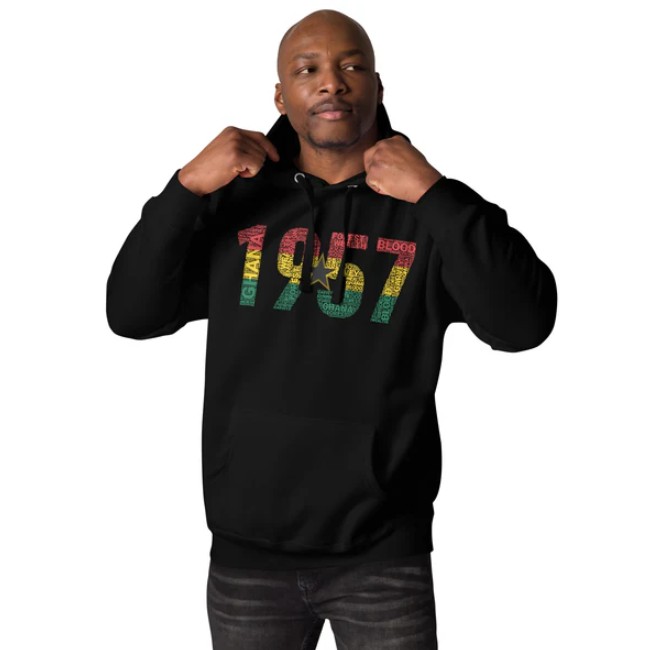
The connection between identity and mental health is well-documented. In environments where marginalized groups face systemic pressures, the act of reclaiming one’s narrative is a therapeutic endeavor. This is where the black history shirts movement finds its deepest meaning. Wearing a garment that depicts historical triumphs, leaders, or symbols of resistance serves as a visual “shield.”
- Self-Affirmation: Donning black history shirts provides a daily reminder of resilience. This cognitive reinforcement helps combat “minority stress,” a psychological phenomenon where chronic exposure to prejudice leads to poor health outcomes.
- Community Connection: Seeing another person in similar attire creates an immediate, unspoken bond. Social isolation is a leading contributor to depression; cultural clothing acts as a bridge, fostering the community support necessary for emotional stability.
The Geography of Healing: From Haiti to the Seychelles
Health is also deeply tied to our environment and how we adapt to it. The traditional attire of island nations offers a masterclass in functional health. Haiti clothing, often characterized by breathable linens and the iconic karabela dress, was designed for a tropical climate.
In a biological sense, Haiti clothing prioritizes thermoregulation. High heat and humidity can lead to physical exhaustion and skin ailments. By utilizing natural fibers and loose silhouettes, traditional Haitian garments protect the body’s largest organ—the skin—while allowing for the air circulation necessary to prevent heat-related illnesses.
Similarly, Seychelles clothing reflects a blend of French, African, and Indian influences, optimized for an equatorial lifestyle. The vibrant patterns found in Seychellois “Kazak” or “Panty” styles do more than just please the eye; they reflect a “color therapy” approach to life. In many island cultures, bright colors are associated with vitality and “joie de vivre” (the joy of living). From a neurological perspective, vibrant aesthetics can stimulate the production of dopamine and serotonin, the body’s natural mood elevators.
Physical Health and the “Crown”
The importance of the African hat—whether it be a kufi, a gele, or a filas—extends beyond style. Historically and culturally, the head is viewed as the seat of the soul and the center of intelligence. Protecting the head is a symbolic act of guarding one’s health.
| Type of Headwear | Cultural Significance | Health/Practical Benefit |
| Kufi | Tradition and respect | Sun protection for the scalp |
| Gele | Status and celebration | Psychological confidence and posture |
| Wide-brimmed Straw Hat | Labor and heritage | Prevention of heatstroke in agricultural settings |
The African hat serves as a literal barrier against the sun, reducing the risk of skin damage and heat exhaustion, particularly in regions where the UV index is consistently high. By integrating these pieces into daily life, cultural groups have practiced preventative healthcare for centuries.
The “African Shirt” and the Ergonomics of Movement
The modern African shirt, such as the dashiki or the boubou, is a testament to the ergonomics of health. Western fashion often prioritizes “the fit”—sometimes at the expense of circulation and movement. Tight-fitting clothing can restrict lymphatic drainage and digestive processes.
In contrast, the classic African shirt is designed for freedom of movement.
- Digestive Health: Loose waistbands and flowing fabrics prevent the constriction of the abdomen, aiding in natural digestion.
- Circulation: Non-restrictive sleeves and necklines ensure that blood flow remains unimpeded, which is crucial for cardiovascular health.
- Psychological Comfort: There is a documented “enclothed cognition” effect where wearing comfortable, culturally significant clothing reduces cortisol levels (the stress hormone), leading to a more relaxed physical state.
Clothing as a Social Determinant of Health
Public health experts often discuss “Social Determinants of Health” (SDOH)—the conditions in which people are born, grow, and live. Clothing is an overlooked SDOH. For an individual in the Seychelles, having access to authentic Seychelles clothing that honors their heritage while suiting their climate is a matter of health equity.
When people are forced to adopt styles that do not suit their biology or their history, a form of “cultural malnutrition” occurs. This is why the resurgence of traditional textiles and styles—like the African shirt or Haiti clothing—is more than a trend; it is a public health reclamation. It is an assertion that one’s body deserves to be housed in fabric that respects its origins and its needs.
Conclusion: Wearing Your Wellness
In the end, health is not just the absence of disease; it is the presence of vitality. We find that vitality when we align our external world with our internal identity.
Whether it is the protective shade of an African hat, the historical pride radiating from black history shirts, or the breathable comfort of Haiti clothing and Seychelles clothing, our garments are our first line of defense. By choosing an African shirt that honors the past while protecting the present, we participate in a ritual of self-care that has sustained civilizations for millennia.
To be healthy is to be whole—and for many, that wholeness begins with the very threads they choose to wear.
“To dress is to declare who you are to the world; to dress in your heritage is to declare that you are worth preserving.”